
Block the Merger Files Midnight Amicus Asking Court to Reject Paramount–WBD Settlement
Free Press-led Block the Merger coalition filed a midnight amicus brief asking Judge Martínez-Olguín to reject the Paramount–WBD state settlement; ruling delayed amid $7M/day fee risk, per Deadline and Variety.
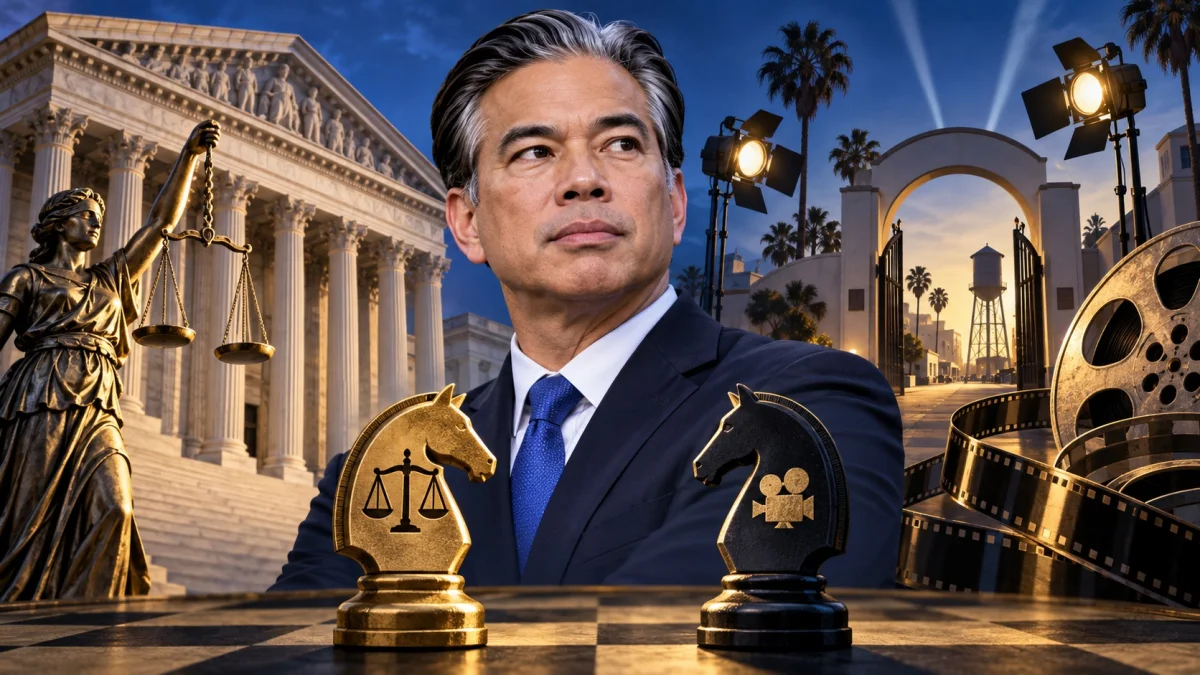
The Block the Merger coalition filed a midnight amicus brief asking U.S. District Judge Araceli Martínez-Olguín to reject the proposed antitrust consent decree covering Paramount’s purchase of Warner Bros. Discovery, Deadline and Variety reported, after the judge granted last-minute leave to brief and delayed settlement sign-off.
Free Press, the Committee for the First Amendment, the Freedom of the Press Foundation, the Future Film Coalition and the International Documentary Association filed the brief late Thursday in federal court in California, Variety reported. Judge Martínez-Olguín had earlier that day given interested parties until 12:01 a.m. PT on Sept. 25 to file after Block the Merger’s emergency motion for leave — a window opened after a dozen state attorneys general announced a settlement with Paramount over the July antitrust suit.
Deadline reported that the Sept. 21 state agreement had looked like a final path for the debt-heavy Paramount–WBD combination, but Thursday’s 11th-hour objections and the midnight briefs have delayed closure. Martínez-Olguín pushed any settlement approval until at least noon on Sept. 28 while Paramount also responds to concerns raised by Sen. Cory Booker (D-N.J.). That calendar raises the risk of Paramount having to begin paying a $7 million-a-day ticking fee to WBD shareholders starting Oct. 1 if the deal remains unsettled, Deadline said.
In the brief, Block the Merger argues the merger lessens competition regardless of the states’ shift. “But whatever the reasons for the States’ about-face, neither time nor circumstance changes the fact that this merger lessens competition,” the filing says, according to Deadline. The coalition also notes that California Attorney General Rob Bonta had publicly criticized the behavioral remedies the parties now ask the court to approve.
Variety quoted the groups’ joint statement: since the consent decree terms were announced Monday morning, “few outside of those with a financial interest in this deal have suggested that it addresses the harms to competition, creativity, and independent journalism this merger will cause for years to come.” The statement urged the court to “reject it outright,” saying the decree “bucks governmental safeguards designed to protect the public from harm.”
Procedural fairness is a core attack line. Deadline reported the brief arguing that the proposed decree puts plaintiff states in the position of representing stakeholders whose interests trade off — including nearly $18 million earmarked for the Writers Guild health plan if the merger closes, while independent vendors and contractors get almost nothing. “That is precisely the kind of conflict that makes representation inadequate and a settlement procedurally unfair,” the coalition told the court, seeking denial of the joint motion to enter the decree.
LULAC and a group of Black pastors filed a separate midnight amicus brief along similar lines, Deadline reported, arguing the decree leaves loss of independent decision-making largely intact: temporary film commitments measure releases and spending without preserving competition over which projects get support; cable provisions regulate negotiations without preserving competition over broadcast perspectives; and a news board appointed by and reporting to the merged company cannot replace independent programming sources the transaction eliminates.
Paramount had opposed giving non-parties briefing rights that could delay closing, Deadline reported, warning of “massive harm” if outsiders could slow the transaction without filing their own Clayton Act case, meeting preliminary-injunction standards or posting a bond. The judge granted leave anyway. Due to the late hour, Paramount had no immediate comment on the midnight filings, Deadline said; Martínez-Olguín told parties in a virtual hearing she would rule “in due course.”
For readers following Hollywood deal litigation on Studio, Thursday’s story is the amicus wave and the reject-settlement ask — not a replay of earlier settlement announcements, delay calendars or debt tallies alone. The coalition wants the consent decree denied; the judge has paused sign-off into the Sept. 28 window; and the Oct. 1 fee clock is the commercial pressure sitting behind the legal fight.
Whether Martínez-Olguín treats the briefs as fatal to the decree or as commentary that still leaves room for approval will decide if Block the Merger’s midnight filing was a last swing or a lasting block. For now, Free Press and its partners have put a full reject-settlement brief on the docket, LULAC has added a parallel attack, and Paramount’s path to a quiet state settlement has become a contested federal hearing again.
What's Your Reaction?
 Like
0
Like
0
 Dislike
0
Dislike
0
 Love
0
Love
0
 Funny
0
Funny
0
 Wow
0
Wow
0
 Sad
0
Sad
0
 Angry
0
Angry
0

"iShook Opinion" by Beni E Rachmanov, CEO & Founder of iShook. Explore captivating perspectives on entertainment, lifestyle, and sports at ishookdaily.com. Your go-to for engaging insights.
















Comments (0)