Nearly 1 in 5 Creators Say Brands Asked Them to Hide Paid Partnerships, Study Finds
Nearly 1 in 5 creators say brands asked them to hide paid partnerships, according to a SheSpeaks study reported by Business Insider.
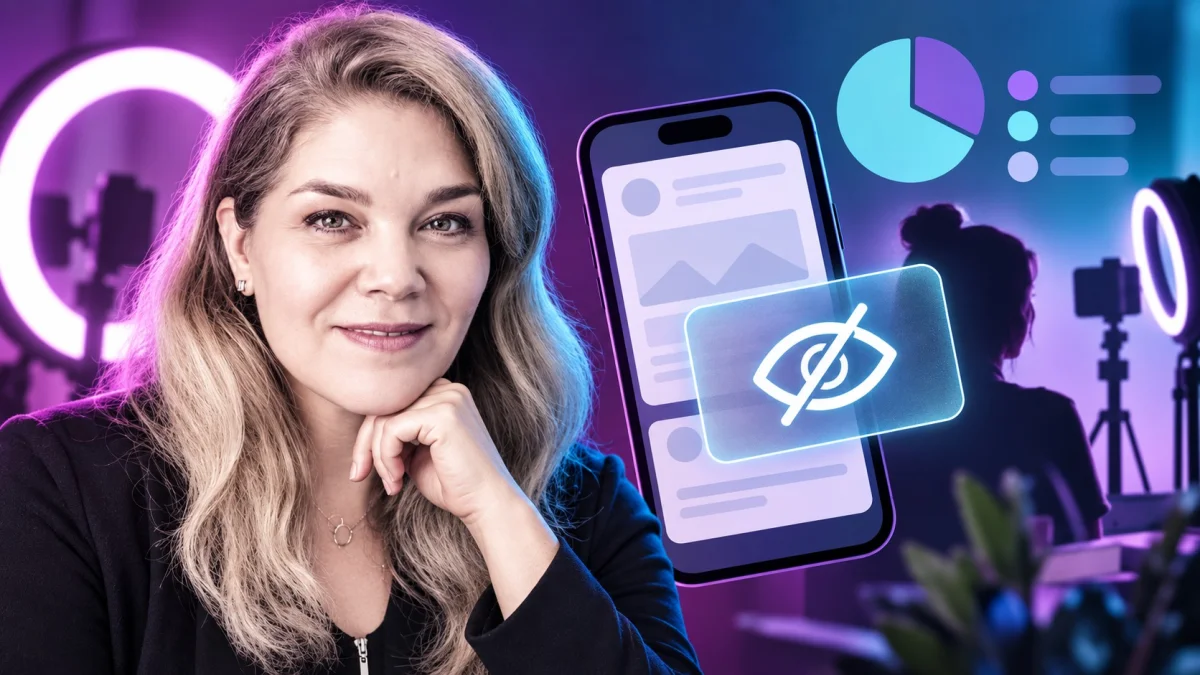
Influencer marketing’s disclosure problem is not only accidental—it is sometimes requested. A SheSpeaks survey of 365 creators conducted for Business Insider found that 18% said a brand had explicitly asked them not to disclose a paid partnership in the past year, the outlet reported on September 9, 2026. Creator compliance also slipped: 14% said they did not always disclose deals, up from 2% in a similar survey a decade earlier, while those who “always or almost always” disclosed fell from 95% to 84%.
Business Insider’s reporting pairs the statistics with on-the-record industry voices. Utah wellness creator Sharon Johnson said a supplement company asked her to skip an #ad label on unboxing posts; she disclosed anyway, citing audience trust and Federal Trade Commission rules. SheSpeaks CEO Aliza Freud called the drop in disclosure “very surprising” and described today’s environment as, paradoxically, “a little bit more like the Wild West” than ten years ago. The FTC’s guidance, as summarized by Insider, requires clear and conspicuous language—such as “ad,” “advertisement,” or “sponsored”—so viewers understand the commercial relationship, without mandating one magic phrase.
Talent-side executives say the pressure usually comes from smaller brands chasing an “organic” look. Leila Marsh of The Drive Agency told Insider her team pushes back because authenticity is the asset brands are renting. Shelby Currie of agency Moroch said even celebrities sometimes ask whether #ad can be dropped because they believe it hurts engagement; her team refuses. AJ Eckstein of Creator Match said two brands asked his agency to hide disclosures in the past six months and that he walked away from six-figure contracts over the issue—arguing that hiding a deal spends down the trust the buy was meant to purchase.
Process gaps compound the problem. Only 57% of surveyed creators said brands or agencies gave clear disclosure instructions in the past year, and just 36% said those partners reviewed content for compliance. Platforms are responding with automation: YouTube said earlier in September it is introducing technology to detect undisclosed brand deals, Insider reported, while TikTok and Meta already run similar systems. Education efforts include the Institute for Responsible Influence’s Responsible Influence Certification Program, launched in April with support from TikTok and advertising groups. Lawyer Rob Freund told Insider consumers deserve to know whether an endorsement is paid because that knowledge can change purchasing decisions; Lauren Wolfe of Travelers United argued weak FTC enforcement has lowered perceived risk for rule-breakers.
For Influencers-desk readers, the study is a business story about market incentives, not a morality play. Engagement mythology treats disclosure as friction; regulators treat it as consumer protection; creators sit in the middle, sometimes asked to choose between a paycheck and a label. iShook Daily’s earlier creator-economy coverage has tracked how personalities monetize attention—this report quantifies how often that monetization tries to go unmarked. The verified takeaway for September 2026 is numerical and attributable: nearly one in five creators report an explicit ask to hide a deal, and self-reported full disclosure is down sharply from a decade ago.
The survey covered 365 creators and is directional, not a census of the industry. Still, when agencies admit they have rejected six-figure work over non-disclosure requests, the anecdote and the statistic point the same way: opacity is being pitched as a growth hack, and a slice of the industry is refusing to sell it.
The disclosure fight also intersects with platform ranking systems that creators believe punish labeled ads—an incentive structure Insider’s sources describe even when they refuse to play along. When automated detection arrives on YouTube atop Meta and TikTok tools, undeclared posts may face labels applied after the fact, shifting risk from “will the FTC notice?” to “will the platform relabel and throttle?” That technological turn makes the SheSpeaks finding timely: brands asking for silence are pushing against both regulation and machine review.
The durable Influencers takeaway is institutional. Survey percentages, named executives, and FTC guidance already on the public record show a market still negotiating how visible a paid post must be—while the tools that can force visibility are getting harder to outrun.
Related: Steven Bartlett and Authentic launch OBSN; The iShook Experience podcast launch.
What's Your Reaction?
 Like
0
Like
0
 Dislike
0
Dislike
0
 Love
0
Love
0
 Funny
0
Funny
0
 Wow
0
Wow
0
 Sad
0
Sad
0
 Angry
0
Angry
0
"iShook Opinion" by Beni E Rachmanov, CEO & Founder of iShook. Explore captivating perspectives on entertainment, lifestyle, and sports at ishookdaily.com. Your go-to for engaging insights.







Comments (0)