
Anti-Blush Trend Sells Out MAC Film Noir Buff at Ulta and Sephora
MAC Film Noir Buff fuels the viral ‘anti-blush’ trend and sells out at Ulta and Sephora as muted cheeks replace bright pink, per Glossy and Times Now.
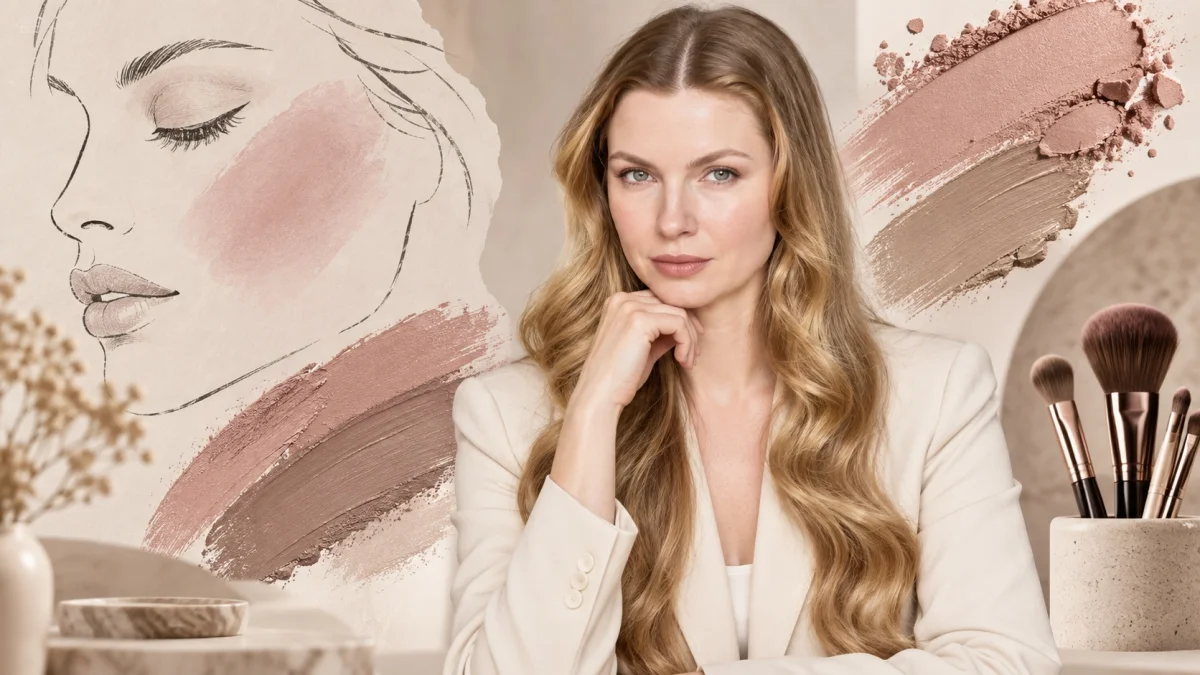
The beauty internet’s newest catchphrase is deliberately underwhelming: anti-blush. Instead of the candy-pink, high-saturation cheeks that defined the last few years, creators and makeup artists are pushing muted, skin-adjacent tones—warm browns, taupes, dusty mauves, and beiges—that sculpt more than they shout. Glossy reported Friday that MAC’s Skinfinish Colourstruck Blush in Film Noir Buff, a rosy-brown shade at the center of the craze, is sold out at both Ulta and Sephora as the term continues to travel across TikTok, Instagram, and international fashion press.
Creator Kim Senser coined the label almost by accident while filming a product video. Searching for a phrase that would stop a scroll, she landed on “anti-blush”—and the clip took off, racking up more than 2 million TikTok views and 1 million on Instagram since July. Mega creators piled on; users swapped shade recommendations for deeper skin tones and olive undertones; Vogue Adria and Harper’s Bazaar Singapore covered the muted-blush turn. MAC itself used the language in an August Instagram post promoting its blush range, confirming how quickly a creator nickname can migrate into brand copy.
The trend’s timing makes commercial sense. Blush has been one of prestige beauty’s growth engines, with statement formulas from brands such as Rhode and Rare Beauty helping fuel demand. Circana data cited by Glossy showed U.S. prestige sales of blushes and bronzers posting double-digit gains in the first half of 2026 even as overall prestige makeup rose only about 3 percent. After years of “blush blindness”—cheeks so flushed they dominate the face—neutral alternatives offer a reset. Trend forecaster Spate’s September figures put beige blush’s popularity across Google search and social platforms up 274.9 percent year over year.
Makeup artist Katie Jane Hughes told Glossy that the look echoes a ’90s, “beautifully tired,” lightly grungy aesthetic associated with faces like Gabbriette’s, and that anti-blush is largely “a trend with a new nickname” for techniques artists have used for years. Times Now framed the same shift for a wider lifestyle audience on Friday, noting that celebrity makeup artist Brandy Allen—whose clients have included Yara Shahidi, Keke Palmer, Janelle Monáe, Doja Cat, and Sheryl Lee Ralph—expects anti-blush tones to dominate fall and winter red carpets because muted shades can double as blush and soft contour. Times Now also linked the look to Chinese beauty’s longer-running “shrinking color” idea: cooler, toned-down blushes that visually contour rather than brighten.
How-to guidance from the coverage is consistent. Skip pinks and corals; reach for beige, taupe, or muted terracotta. Place color where a natural flush would sit—high on the cheekbones, blended upward and outward—rather than on the apples alone. Keep eyes and lips soft so the cheek work does not fight for attention. Hughes suggested DIY routes as well: a bronzer with a touch of nude lipstick, or existing bag products remixed before buying another sold-out pan. That last point matters commercially: viral scarcity can drive impulse purchases, but the aesthetic itself does not require a single hero SKU.
MAC told Glossy that Film Noir Buff “overperformed launch plans by 4x” and that it is seeing momentum for more “sculptural” blush approaches. A brand spokesperson celebrated the creative free-for-all—“consumers come to MAC when they want permission to play”—and explicitly referenced “Kim Senser’s anti-blush movement” in the statement. Senser, however, said she has not heard directly from the company beyond the wider noise, even after DMing the original video. Fellow creators have urged MAC to credit her; Senser has publicly compared the situation to other cases where organic posts later earned brand trips or partnerships, while stressing she never trademarked the phrase and does not claim the company “owes” her.
Credit fights are becoming a parallel beat whenever beauty slang goes mainstream. Glossy noted the May controversy around Patrick Ta’s “Transition Blush” launch and debates over technique attribution to Painted By Esther. As algorithms vault smaller creators overnight, brands can ride a trend without a negotiated ambassador deal. Senser has joked that she now eyes the shade “like a lover that treated me bad” and is hunting for a good dupe while returning to her normal posting rhythm.
For shoppers, the practical takeaway on Friday is simpler than the discourse: muted cheeks are the look of the moment, Film Noir Buff is hard to find, and the aesthetic can be approximated with neutrals already on the vanity. Whether anti-blush lasts or fades will depend on red carpets and holiday counters. For now, sold-out alerts and social chatter agree: the loud blush era has a quiet competitor.
What's Your Reaction?
 Like
0
Like
0
 Dislike
0
Dislike
0
 Love
0
Love
0
 Funny
0
Funny
0
 Wow
0
Wow
0
 Sad
0
Sad
0
 Angry
0
Angry
0

"iShook Opinion" by Beni E Rachmanov, CEO & Founder of iShook. Explore captivating perspectives on entertainment, lifestyle, and sports at ishookdaily.com. Your go-to for engaging insights.














Comments (0)