
Arizona Sues L’Oréal USA Over Alleged Failure to Warn About Chemical Hair-Relaxer Cancer Risks
Arizona Attorney General Kris Mayes accuses L’Oréal USA of consumer fraud over Dark & Lovely, Optimum and Mizani relaxers; the company says the claims lack legal and scientific merit.
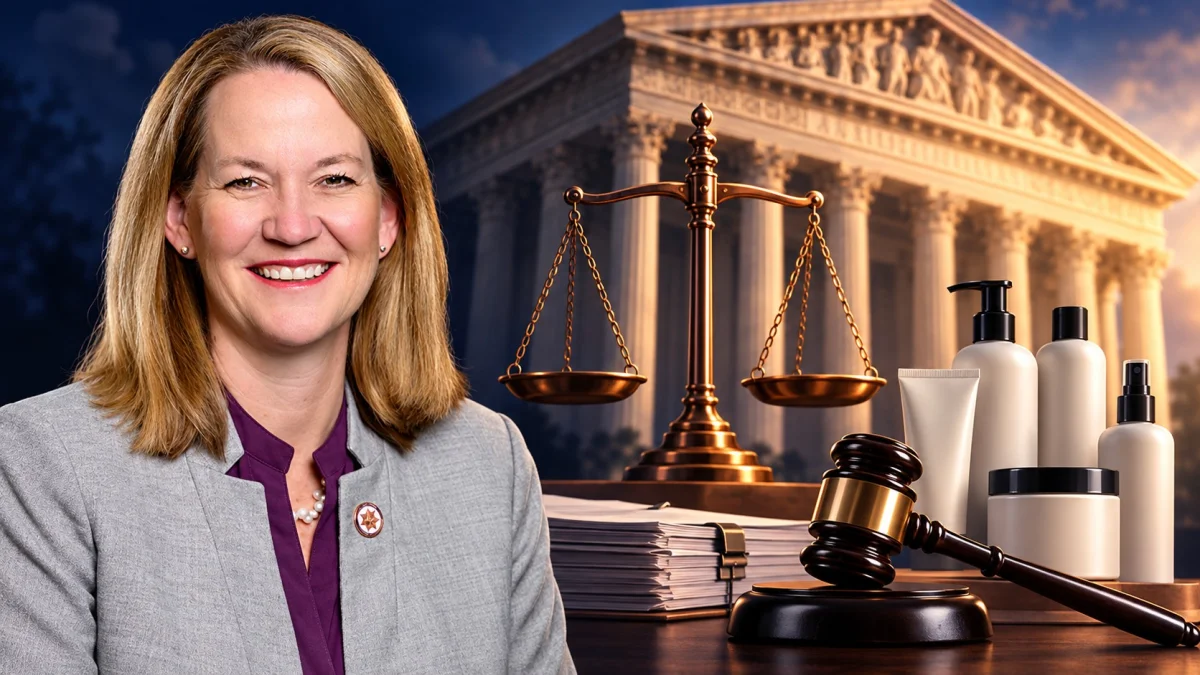
Arizona Attorney General Kris Mayes filed a consumer-fraud lawsuit against L’Oréal USA and affiliates over chemical hair relaxers sold under brands including Dark & Lovely, Optimum, and Mizani, Allure reported on September 14, 2026. The suit alleges the company marketed the products to women and girls of African descent—and to salons serving them—as a safe way to conform textured hair to prevailing beauty standards while downplaying material health risks tied to uterine and ovarian cancer.
Mayes’s office framed the alleged omission as “a callous disregard for the health of Arizona consumers, particularly women of African descent,” according to language Allure quoted from the complaint. In a statement accompanying the filing, Mayes said L’Oréal “knew or should have known about the dangers associated with these toxic hair straightening products” and “put profits over the safety of women and children.” Citeline’s HBW Insight summary on September 15 likewise described the action as targeting sales without disclosing that products contained likely carcinogens.
L’Oréal USA rejected the claims. In a statement to Allure, the company said safety is a top priority and that it believes the allegations “have neither legal nor scientific merit.” It argued that the research underpinning related litigation recognized a need for further study and “made no finding of a causal connection” between product use and the conditions alleged, while noting that researchers have pointed to other potential contributing factors in women’s health outcomes.
The legal fight sits on top of a multi-year scientific and courtroom debate. A 2022 Journal of the National Cancer Institute study—following more than 33,000 women for nearly 11 years—reported an association between frequent straightening-product use and higher uterine-cancer risk, including roughly doubled risk among women who used relaxers more than four times a year, Allure recounted. That paper helped spur dozens of private lawsuits. A 2023 analysis within the Black Women’s Health Study later associated long-term chemical-relaxer use with increased uterine-cancer risk among postmenopausal women. Epidemiologist Alexandra White, who authored the 2022 work, told Allure that subsequent evidence has strengthened the plausibility of links to several cancer types, while stressing the limits of observational designs and the many lifestyle factors that also influence risk.
Medical voices quoted in Allure urged careful reading of relative-risk headlines. Emory gynecologic oncologist Susan Modesitt noted that an 80% relative increase can still represent a small absolute rise when baseline risk is low—an important distinction for readers encountering scary percentages without context. White similarly cautioned that chemical hair products are one of many factors and that more research is needed before firm public-health recommendations.
For Lifestyle audiences, the Arizona case is less a sudden discovery than a state-level escalation of a known controversy at the intersection of beauty marketing, Black women’s health, and corporate disclosure. The verified news as of mid-September is the filing itself, the brands named, Mayes’s fraud theory, and L’Oréal’s denial—not a court finding that the products cause cancer. Shoppers and salon professionals following the story should treat the lawsuit as an allegation now heading into discovery, while scientists continue to debate how strongly observational associations should reshape everyday product choices.
Related: Ulta Beauty partners with Midi Health on wellness supplements.
What's Your Reaction?
 Like
0
Like
0
 Dislike
0
Dislike
0
 Love
0
Love
0
 Funny
0
Funny
0
 Wow
0
Wow
0
 Sad
0
Sad
0
 Angry
0
Angry
0

"iShook Opinion" by Beni E Rachmanov, CEO & Founder of iShook. Explore captivating perspectives on entertainment, lifestyle, and sports at ishookdaily.com. Your go-to for engaging insights.












Comments (0)